
PKU
Phenylketonuria (PKU) is a serious and rare inherited metabolic disease
Patients with PKU lack an enzyme called phenylalanine hydroxylase. This means that they are unable to break down an amino acid called phenylalanine. As a result, levels of phenylalanine build up in the blood and brain. Unmanaged, this can lead to brain damage which causes learning and behavioural difficulties.1

PKU Symptoms
PKU does not usually cause any symptoms if treatment is started early. Possible symptoms of unmanaged PKU include behavioural difficulties, fair skin and hair, vomiting, eczema, abnormal movements in the arms and legs, tremors, epilepsy and a musty smell to the breath, skin and urine.2
How is PKU diagnosed?
At around 5 days old, babies are offered newborn blood spot screening to test for PKU and many other conditions. This involves pricking the baby’s heel to collect a few drops of blood to test.1
High levels of phenylalanine will be detected in the blood.2 Thanks to newborn screening, PKU can be detected early in the first few days of life.
How is PKU managed?
Early management is absolutely vital in order to prevent brain damage and learning difficulties.
Management of this condition is through a carefully controlled low protein diet that contains measured amounts of phenylalanine containing foods, protein substitutes and supplements. Foods high in protein must be avoided such as meat, fish, eggs, cheese, bread and pasta.1 Any food or drink containing aspartame must also be avoided as this is converted to phenylalanine in the body.
Together, these measures will help the patient meet their protein, energy, vitamin and mineral requirements. Many protein substitutes are available on prescription.
A baby with PKU will require a carefully regulated milk intake (may be formula or breastmilk), according to specialist metabolic dietetic input.1
Patients will require frequent blood tests to monitor their condition, as well as regular developmental checks and dietetic input. Diet is adjusted accordingly.1
With early diagnosis and careful management, most children with PKU are able to live healthy lives.2
Women with PKU must adhere strictly to their management plan with close dietetic input if they are pregnant or considering becoming pregnant as high phenylalanine levels can harm an unborn child.2

Related Products
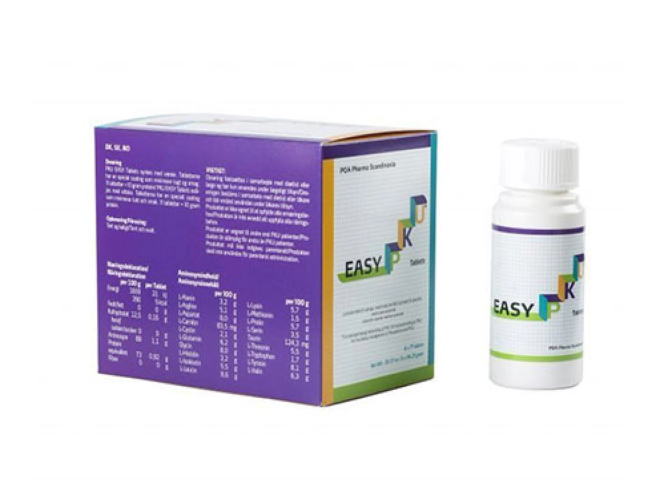
PKU EASY Tablets
PKU EASY Tablets are for use in the dietary management of proven PKU for patients aged 3+ under strict medical supervision. PKU EASY Tablets are a phenylalanine-free protein substitute tablet containing essential and non-essential amino acids.
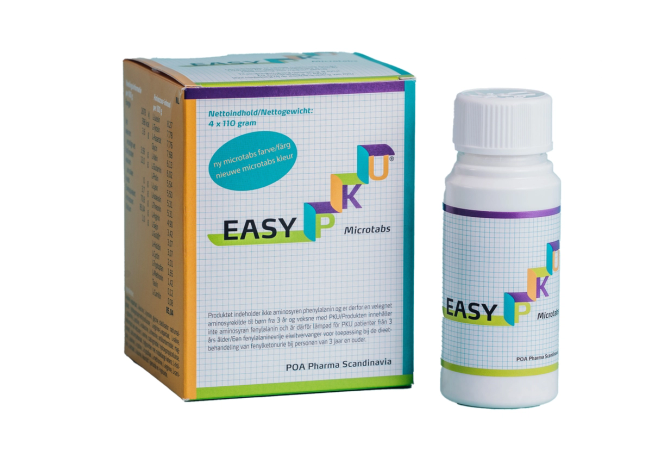
PKU EASY Microtabs
PKU EASY Microtabs are small, slow‑release, phenylalanine‑free amino‑acid tablets for the dietary management of PKU. Their coated, slow release matrix supports gradual amino‑acid release.
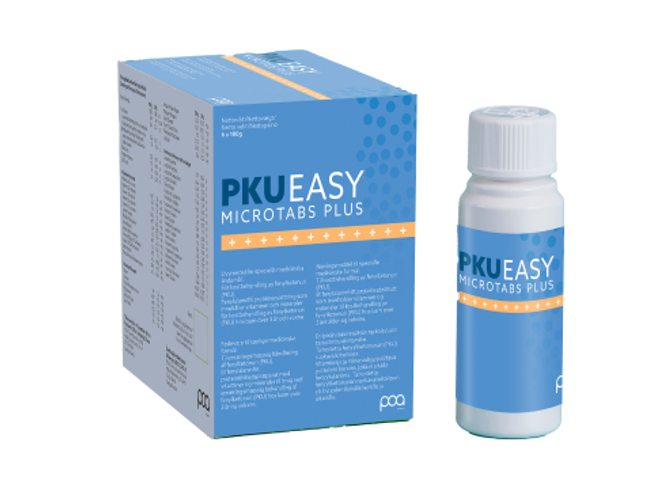
PKU EASY Microtabs Plus
PKU EASY Microtabs Plus are small, slow release, phenylalanine free amino acid tablets with added vitamins and minerals for the dietary management of PKU in patients aged 3+. Their coated, slow release matrix supports gradual amino-acid release.
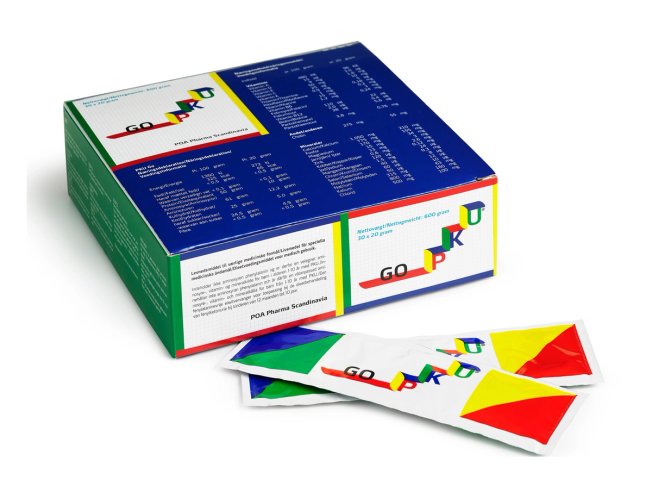
PKU GO
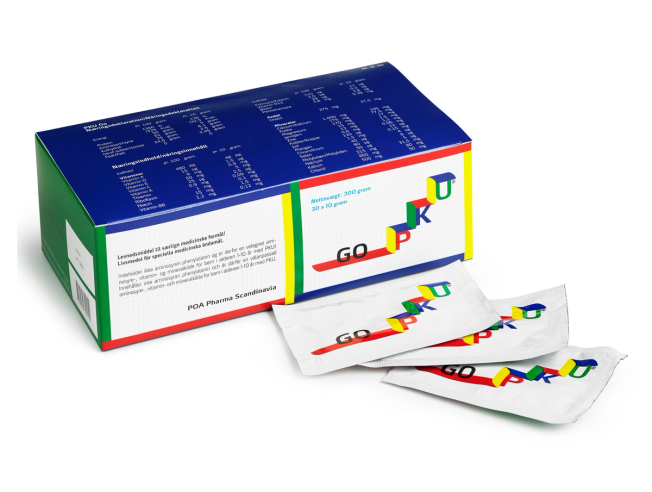
PKU Go is a phenylalanine free protein substitute containing amino acids, carbohydrate, vitamins, minerals and trace elements for the dietary management of proven PKU in children 9 months-10 years. It can be taken either as a paste or a drink. Each sachet contains 10g protein equivalent.
PKU GO 5p
PKU GO 5p is a phenylalanine‑free protein substitute containing amino acids, carbohydrate, vitamins, minerals and trace elements for the dietary management of proven PKU in children 9 months-10 years under strict medical supervision. It can be taken either as a paste or a drink. Each sachet contains 5g protein equivalent.
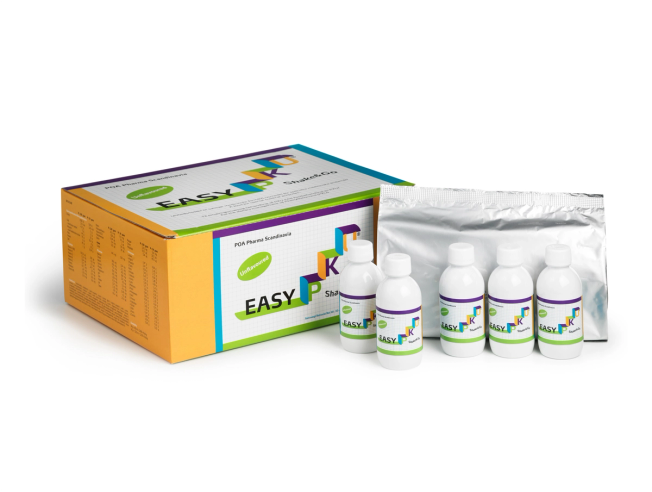
PKU EASY Shake & Go (Unflavoured)
A phenylalanine‑free protein substitute containing essential and non‑essential amino acids, carbohydrate, vitamins, minerals and trace elements. Suitable for the dietary management of proven PKU in patients aged 3+ under strict medical supervision.
References PKU
- British Inherited Metabolic Diseases Group. Temple Guide. PKU. January 2025. Available from: https://bimdg.org.uk/education/temple/#aioseo-pku-phenylketonuria (Accessed 24th July 2026)
- https://www.nichd.nih.gov/health/topics/pku/conditioninfo/symptoms (Accessed 24th July 2026)