
HCU
Homocystinuria is a rare but potentially serious condition that affects the body’s metabolism1
Patients with this condition are unable to break down the amino acid methionine.

HCU Symptoms
Untreated, this condition causes a build-up of methionine and another amino acid called homocysteine in the blood.2
Complications may include lens dislocation, learning difficulties and brain injury, bone and joint problems and blood clots.2
Babies with HCU inherit two faulty copies of the gene for HCU, one from each parent.2
How is HCU diagnosed?
Without early diagnosis and treatment, HCU can result in long term health problems as mentioned above. However, babies are now offered newborn blood spot screening at 5 days old which tests for a number of conditions including HCU. This involves testing a small blood sample collected from pricking of the baby’s heel.1
How is HCU managed?
In some patients, the level of homocysteine may be controlled with vitamin B6 (pyridoxine). If this is not successful, then the treatment for HCU involves a low protein diet, protein substitutes, supplements of vitamins and minerals and occasionally medication.3
Therefore, as intake of high protein foods and milk (including breastmilk and infant formula) must be reduced, a special infant formula which does not contain methionine is given to meet all nutritional requirements. This is vital for normal growth and development and to reduce the build up of harmful toxins in the body.2
Babies with HCU benefit greatly from early treatment which requires close involvement with the multidisciplinary team including specialist metabolic dietetic input. Careful management prevents long term complications from developing.1
Patients with the condition will require regular blood tests to monitor the levels of homocysteine in their blood in order to guide treatment.

Related Products
All Therapy Areas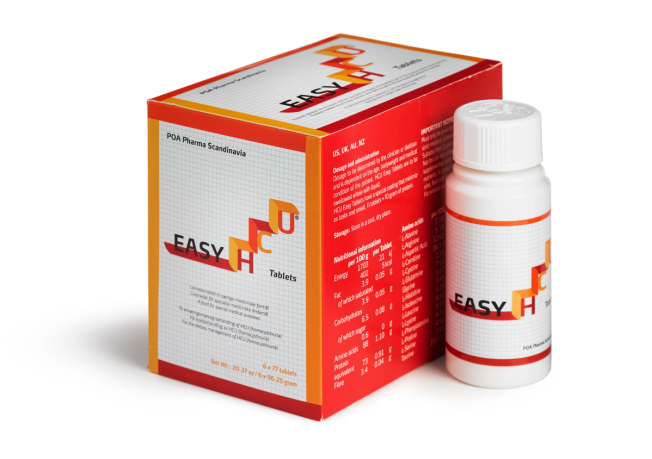
References HCU
- https://www.gov.uk/government/publications/hcu-suspected-description-in-brief/homocystinuria-hcu-detailed-information
(Accessed 24th July 2026) - https://www.imd.scot.nhs.uk/homocystinuria-hcu/ (Accessed 24th July 2026)
- British Inherited Metabolic Diseases Group. TEMPLE guide. Homocystinuria. March 2025. Available from https://bimdg.org.uk/education/temple/#aioseo-hcu-homocystinuria (Accessed 24th July 2026)