
TYR I
TYR I is a serious inherited metabolic disease that can lead to severe liver, kidney and neurological complications
Patients with TYR I are unable to break down an amino acid called tyrosine. As a result, a harmful chemical called succinyl acetone builds up in the blood. This can cause liver failure and potentially progress to liver cancer.1-3

TYR 1 Symptoms
Tyrosinemia Type 1 (TYR 1) is a rare inherited metabolic disorder that typically presents in infancy or early childhood. Common symptoms include poor weight gain and growth, vomiting or diarrhoea, and signs of liver dysfunction such as jaundice or an enlarged liver.2 If left untreated, the condition can also affect kidney function and overall development, making early diagnosis and appropriate dietary management essential.2
How is TYR I diagnosed?
Babies with TYR I often become unwell in the first few months of life and may present with symptoms such as poor weight gain, diarrhoea, vomiting or signs of liver failure such as yellowing of the skin and the whites of the eyes.2 Others may have a gradual onset of symptoms and signs that occur from rickets or kidney and neurological complications of the disease.2,3
TYR I is diagnosed by high levels of succinyl acetone in the blood and urine, and molecular testing.3
How is TYR I managed?
TYR I is managed with a medication called nitisinone (NTBC) as well as a low protein diet, protein substitutes, supplements and measured amounts of tyrosine containing foods. High protein foods must be avoided such as meat, fish, eggs, cheese, milk, bread and pasta.1 Together, these measures will help the patient meet their protein, energy, vitamin and mineral requirements and help prevent complications from developing.
A baby with TYR I will require a carefully regulated milk intake (may be formula or breastmilk), according to specialist metabolic dietetic input.1
Patients will require frequent blood tests to monitor their condition, as well as regular developmental checks with close dietetic and specialist metabolic input.1
Management is adjusted according to age, weight and blood tests.1
These patients must be carefully monitored for the development of any liver, kidney or neurological complications as these can be very serious.

Related Products
All Therapy Areas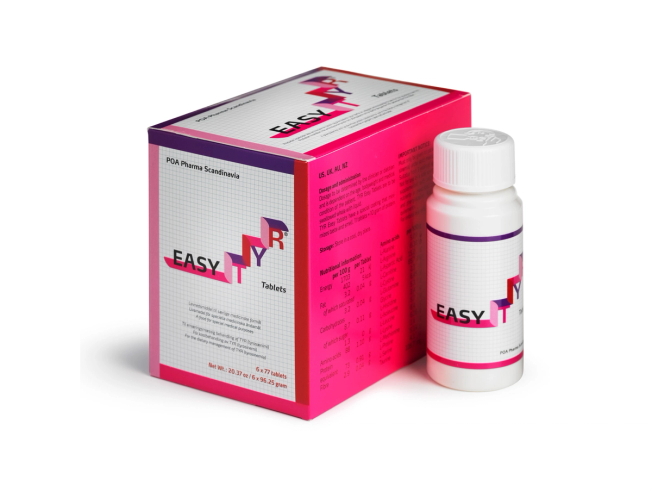
References TYR I
- British Inherited Metabolic Diseases Group. Tyrosinemia Type 1. TEMPLE. March 2025. Available from; https://bimdg.org.uk/education/temple/#aioseo-tyrosinaemia-type-1 (Accessed 24th July 2026)
- https://rarediseases.org/rare-diseases/tyrosinemia-type-1/ (Accessed 24th July 2026)
- Chinsky JM et al. Diagnosis and treatment of Tyrosinaemia type 1: a US and Canadian consensus group review and recommendations. Genetics in Medicine. 2017. Available from https://www.ncbi.nlm.nih.gov/pmc/articles/PMC5729346/ (Accessed 24th July 2026)